Kendrick Perkins’ impact on the court went far beyond the stats you see on paper. While his numbers might not jump out at you, he was an incredibly important player, particularly in the Celtics’ defense-heavy system during their 2008 championship run. His physicality, leadership and defensive presence were key elements in the Celtics’ success, especially in their frontcourt.
Perkins was a force in the paint, often tasked with guarding the toughest matchups and he was known for his ability to set hard screens, fight for rebounds and protect the rim. He didn’t need to score a lot to make a difference, because his value was in his toughness and intelligence on defense. His physical presence allowed the Celtics’ defense to operate at a higher level, especially with the trio of Paul Pierce, Ray Allen and Kevin Garnett alongside him.
When he went down in Game 6 of the 2010 Finals with a knee injury, the Celtics clearly missed his defensive presence in the final game. That’s where you could argue that his absence in Game 7 against the Lakers could have changed the series. The Celtics struggled with rebounding and rim protection, areas where Perkins excelled. If he had been able to play, his size, ability to set screens and defensive prowess could have been the missing piece to secure a second consecutive championship.
Though his numbers don’t tell the whole story, his value was immeasurable in terms of what he brought to the Celtics’ defense and locker room. His leadership, grit and knowledge of the game were crucial to the team’s success during that period.
His numbers from the 2009 playoffs highlight the type of player he could be at his peak. In that postseason, he averaged 11.9 points, 11.6 rebounds and 2.6 blocks while shooting 57.5% from the field, he was an absolute monster. His ability to dominate on both ends, especially as a rim protector and rebounder, was crucial to Boston’s success that year. It’s easy to forget how integral he was in the Celtics’ defensive schemes, especially when they went on that deep playoff run.
His career highs were 26 points, 20 rebounds and 7 blocks in two separate games, demonstrate his potential when given the opportunity to take over. He wasn’t just a big body in the paint, when needed he could put up numbers and be a real offensive threat in key moments.
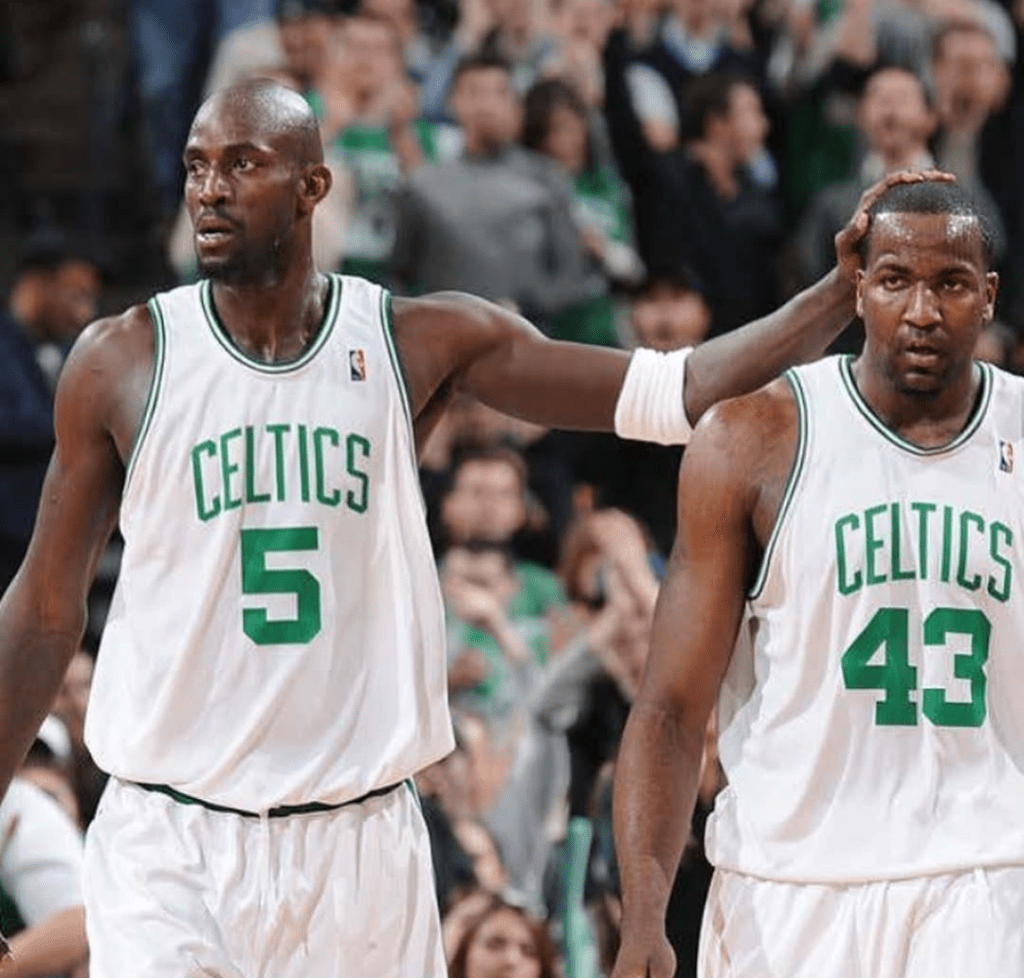
When Perkins was traded to the Oklahoma City Thunder in 2011, his role shifted a bit, but his influence remained vital. Perkins’ leadership played a big role in the Thunder’s growth. He provided a stabilizing influence for the team’s younger players like Kevin Durant, Russell Westbrook and James Harden, helping them mature and reach the NBA Finals in 2012. Perkins was brought in for exactly what he did best, provide toughness, rebounding, defense and veteran leadership. He allowed Durant, Westbrook and Harden to play their best basketball by being a selfless, unflashy player willing to do the dirty work.
Perkins numbers might have dropped due to injuries and a changing role, the value he brought as a leader, screen setter, and defender in both Boston and OKC shouldn’t be understated. His contributions played a key part in both teams successes during his tenure. His presence on the 2012 Thunder team, in particular, helped them reach that NBA Finals, even though they ultimately fell short to the Miami Heat.
Perkins’ role was never about putting up huge stats, which is why so many casual fans might overlook how important he truly was. The value he brought to the floor wasn’t in flashy scoring or highlight-reel plays, but in his physical presence and the things that don’t show up in box scores. Like setting screens, taking charges, making smart rotations on defense and bringing a toughness that his teams relied on.
In an era of high-scoring games and attention-grabbing stats, players like Perkins often get overlooked because their contributions are less tangible. But anyone who watched him play knew that his impact went far beyond the numbers. He made life easier for the offensive stars by setting solid screens and opening up lanes for them, and on defense, he was a wall in the paint. His ability to defend the post, challenge shots, and dominate the boards allowed guys like Paul Pierce, Ray Allen, Kevin Durant and Russell Westbrook to focus on scoring without worrying about being overpowered in the paint or losing battles for rebounds.
Perk also brought a unique brand of toughness and leadership that was crucial to teams with championship aspirations. His experience, especially in Boston, helped guide younger players through high-pressure situations. That leadership, combined with his unselfish playstyle, made him a key piece even when his stats didn’t reflect it. He was the kind of player who understood his role and executed it to perfection. His job wasn’t to score but to make sure the stars could shine and that’s a critical part of any championship-caliber team.
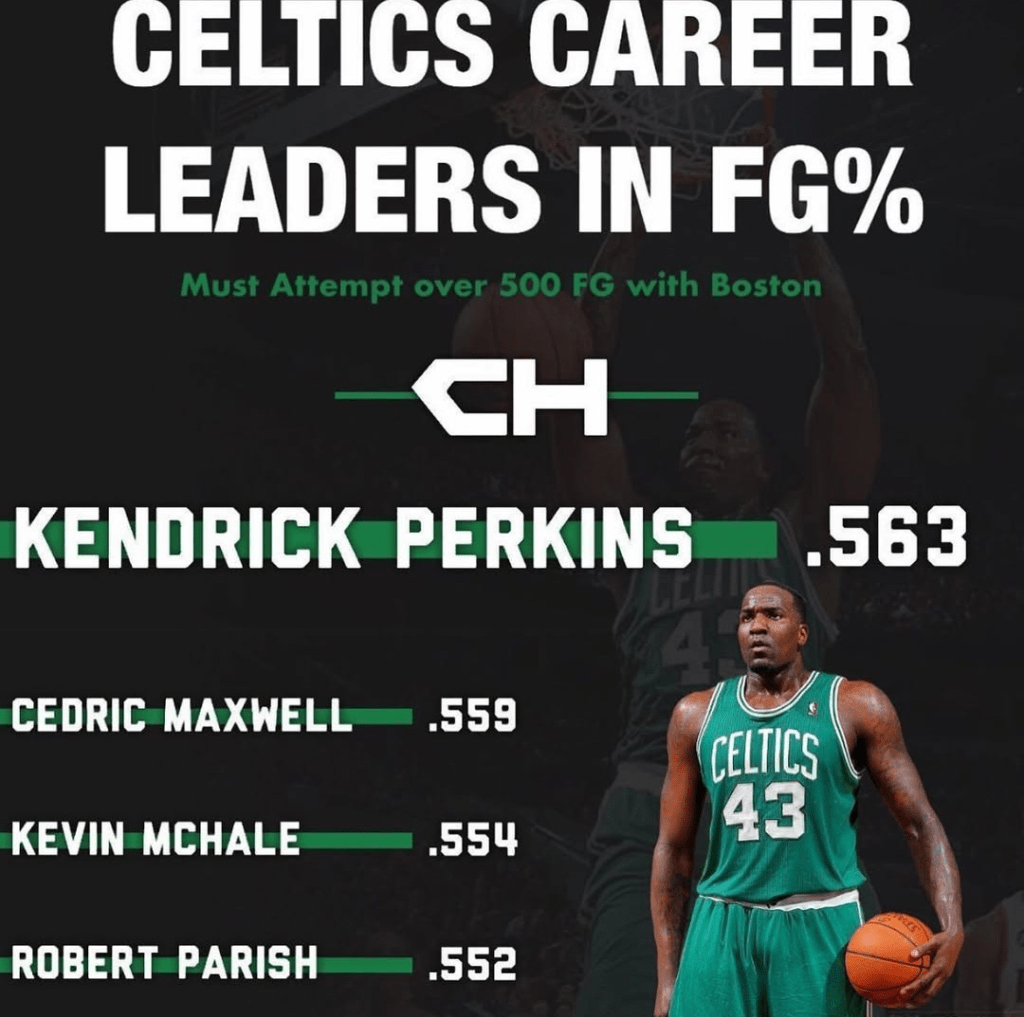
In a way, he was the unsung hero and while his numbers may not jump off the page, the impact he had on both the Celtics and the Thunder was undeniable. Fans who truly understand the game appreciate players like Perkins because they recognize that his value wasn’t in his points per game but in how he affected the flow of the game, controlled the tempo and gave his team an edge in all the areas that don’t show up in a box score.
 AJ3Report.com